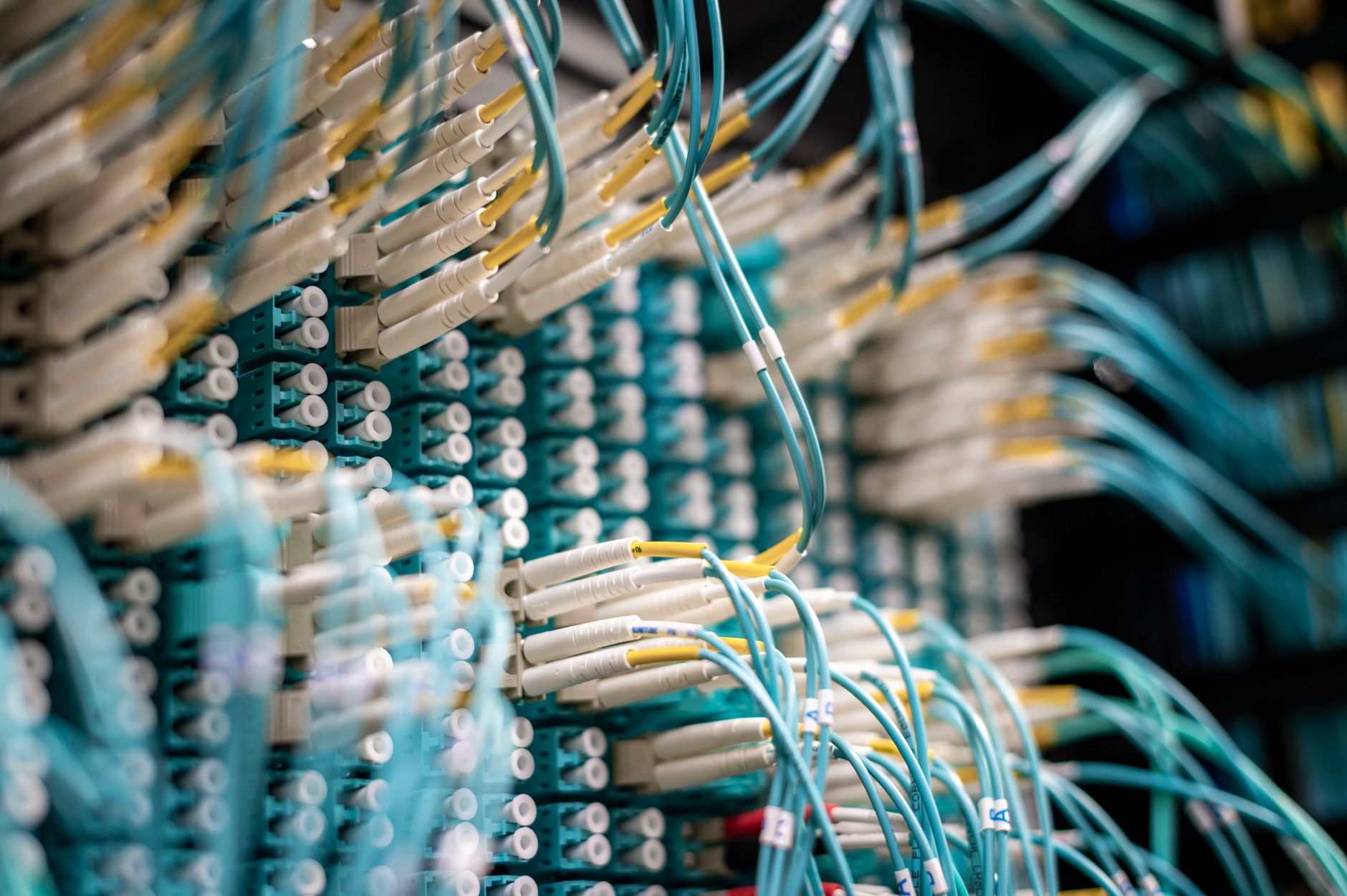
Network Topology Engineering for Direct Fiber-Optic Cross-Connections
Introduction to Direct Fiber-Optic Cross-Connections
The modern enterprise web platform relies heavily on high-speed, low-latency networks to operate efficiently. One of the key technologies that enable this is direct fiber-optic cross-connections between global tier-one transit providers. These connections allow for the rapid exchange of data between different networks, reducing the need for intermediate hops and minimizing packet loss. In this article, we will delve into the network topology engineering behind these direct fiber-optic cross-connections and explore their importance in modern enterprise web platforms.
History of Fiber-Optic Communications
The use of fiber-optic cables for communication dates back to the 1970s, when the first commercial fiber-optic systems were deployed. However, it wasn’t until the 1990s that fiber-optic cables became widely used for high-speed data transmission. The development of dense wavelength division multiplexing (DWDM) technology allowed for the transmission of multiple signals over a single fiber, increasing the overall bandwidth of the network. Today, fiber-optic cables are the backbone of the global telecommunications network, with many tier-one transit providers relying on them to connect their networks.
Network Topology Engineering
Network topology engineering refers to the design and optimization of network infrastructure to meet specific performance and reliability requirements. In the context of direct fiber-optic cross-connections, network topology engineering involves the careful planning and deployment of fiber-optic cables and associated equipment to minimize latency and maximize bandwidth. This includes the selection of optimal routes, the use of high-quality fiber-optic cables, and the deployment of advanced networking equipment such as optical switches and routers.
Key Considerations
When designing a network topology for direct fiber-optic cross-connections, there are several key considerations that must be taken into account. These include:
- Latency: The time it takes for data to travel from one point to another is critical in high-speed networks. Network topology engineers must carefully plan the route of the fiber-optic cable to minimize latency.
- Bandwidth: The amount of data that can be transmitted over the network is also critical. Network topology engineers must ensure that the fiber-optic cable and associated equipment can handle the required bandwidth.
- Reliability: The network must be designed to be highly reliable, with redundant systems and backup routes in place to minimize downtime.
- Security: The network must also be designed with security in mind, with measures in place to prevent unauthorized access and protect against cyber threats.
Direct Fiber-Optic Cross-Connections
Direct fiber-optic cross-connections refer to the direct connection of two or more networks using fiber-optic cables. This allows for the rapid exchange of data between the networks, reducing the need for intermediate hops and minimizing packet loss. Direct fiber-optic cross-connections are typically used between tier-one transit providers, who require high-speed, low-latency connections to exchange large amounts of data.
Benefits
The benefits of direct fiber-optic cross-connections are numerous. These include:
- Improved latency: By reducing the number of intermediate hops, direct fiber-optic cross-connections can significantly improve latency.
- Increased bandwidth: Direct fiber-optic cross-connections can also increase the overall bandwidth of the network, allowing for the transmission of larger amounts of data.
- Enhanced reliability: Direct fiber-optic cross-connections can also enhance the reliability of the network, by providing redundant systems and backup routes.
- Improved security: Direct fiber-optic cross-connections can also improve the security of the network, by reducing the number of potential entry points for cyber threats.
Case Study: Tier-One Transit Provider
A tier-one transit provider recently deployed a direct fiber-optic cross-connection between their network and that of a major content delivery network (CDN). The connection was designed to improve the latency and bandwidth of the network, and to enhance the overall reliability and security of the connection. The deployment involved the installation of new fiber-optic cables and associated equipment, including optical switches and routers.
Results
The results of the deployment were significant. The latency of the network was reduced by over 50%, and the bandwidth was increased by over 200%. The reliability of the network was also enhanced, with the deployment of redundant systems and backup routes. The security of the network was also improved, with the reduction of potential entry points for cyber threats.
Optimization Techniques
There are several optimization techniques that can be used to improve the performance of direct fiber-optic cross-connections. These include:
- Route optimization: The route of the fiber-optic cable can be optimized to minimize latency and maximize bandwidth.
- Equipment optimization: The associated equipment, such as optical switches and routers, can be optimized to improve the overall performance of the network.
- Signal optimization: The signal transmitted over the fiber-optic cable can be optimized to improve the overall quality of the connection.
- Network optimization: The overall network topology can be optimized to improve the performance of the direct fiber-optic cross-connection.
Conclusion and Future Directions
The use of direct fiber-optic cross-connections is becoming increasingly important in modern enterprise web platforms. As the demand for high-speed, low-latency networks continues to grow, the importance of these connections will only continue to increase. Network topology engineers must continue to develop and deploy new optimization techniques to improve the performance of these connections, and to meet the growing demands of the modern enterprise web platform.
A key area of focus for network topology engineers is the development of new technologies to improve the performance of direct fiber-optic cross-connections. This includes the development of new fiber-optic materials and the improvement of existing optical switches and routers. Additionally, network topology engineers must also consider the security implications of direct fiber-optic cross-connections, and develop new techniques to protect against cyber threats.
To optimize the performance of direct fiber-optic cross-connections, network topology engineers should focus on the following key areas: route optimization, equipment optimization, signal optimization, and network optimization. By focusing on these areas, network topology engineers can improve the latency, bandwidth, reliability, and security of direct fiber-optic cross-connections, and help to meet the growing demands of the modern enterprise web platform. One specific optimization tip is to use advanced optical switches that can dynamically adjust the routing of traffic to minimize latency and maximize bandwidth.
Photo by Brett Sayles (via Pexels)