Managing Extreme Thermal Loads with High-Capacity Cooling Infrastructure
Introduction to High-Capacity Cooling Infrastructure
As the demand for high-density server configurations continues to rise, managing extreme thermal loads has become a critical challenge for modern enterprise web platforms. The proliferation of cloud computing, big data, and artificial intelligence has led to an increase in heat generation, making it essential to implement high-capacity cooling infrastructure. In this article, we will delve into the world of high-capacity cooling systems, exploring their architecture, benefits, and best practices for managing thermal loads in dense modern server configurations.
Historical Context: The Evolution of Cooling Systems
The history of cooling systems dates back to the early days of computing, when servers were relatively simple and generated minimal heat. As computing power increased, so did the heat output, prompting the development of basic cooling systems such as fans and air conditioning units. However, with the advent of high-density server configurations, these traditional cooling methods became inadequate, leading to the development of more advanced cooling technologies. Today, high-capacity cooling infrastructure is designed to handle the extreme thermal loads generated by modern servers, ensuring optimal performance, reliability, and energy efficiency.
Understanding High-Density Server Configurations
High-density server configurations refer to the practice of packing multiple servers into a small physical space, often using blade servers, rack-mounted servers, or other high-density form factors. This approach offers several benefits, including increased computing power, reduced footprint, and lower energy costs. However, it also generates significant heat, which can lead to reduced server lifespan, increased downtime, and higher energy consumption. To mitigate these risks, high-capacity cooling infrastructure is essential for managing thermal loads and maintaining optimal operating conditions.
Key Characteristics of High-Density Server Configurations
High-density server configurations typically exhibit the following characteristics:
- High power density: High-density servers generate significant heat per unit of floor space, often exceeding 10 kW per rack.
- High airflow requirements: High-density servers require high airflow rates to dissipate heat, often exceeding 1,000 CFM per rack.
- Low latency: High-density servers often require low-latency cooling systems to ensure optimal performance and minimize downtime.
- High reliability: High-density servers demand high-reliability cooling systems to ensure continuous operation and minimize downtime.
High-Capacity Cooling Infrastructure: Architecture and Components
High-capacity cooling infrastructure typically consists of several components, including:
- Cooling systems: Such as air conditioning units, chillers, or heat exchangers, which provide the primary cooling medium.
- Air handlers: Which distribute the cooled air to the server racks and remove hot air from the data center.
- Heat exchangers: Which transfer heat from the server racks to a secondary cooling medium, such as water or refrigerant.
- Control systems: Which monitor and regulate the cooling infrastructure, ensuring optimal performance and energy efficiency.
Cooling System Types
There are several types of cooling systems used in high-capacity cooling infrastructure, including:
- Air-side economization: Which uses outside air to cool the data center, often in combination with air conditioning units.
- Water-side economization: Which uses water to cool the data center, often in combination with chillers or heat exchangers.
- Direct expansion: Which uses refrigerant to cool the data center, often in combination with air handlers or heat exchangers.
- Indirect expansion: Which uses a secondary cooling medium, such as water or glycol, to cool the data center.
Benefits of High-Capacity Cooling Infrastructure
High-capacity cooling infrastructure offers several benefits, including:
- Improved server reliability: By maintaining optimal operating temperatures, high-capacity cooling infrastructure reduces the risk of server failure and downtime.
- Increased energy efficiency: By using advanced cooling technologies and optimizing airflow, high-capacity cooling infrastructure can reduce energy consumption and lower operating costs.
- Enhanced scalability: High-capacity cooling infrastructure can support high-density server configurations, enabling businesses to scale their operations and meet growing demand.
- Reduced capital expenditures: By using high-capacity cooling infrastructure, businesses can reduce their capital expenditures on cooling systems and focus on other areas of their operations.
Case Study: Implementing High-Capacity Cooling Infrastructure
A leading financial services company recently implemented high-capacity cooling infrastructure in their data center to support a high-density server configuration. The company used a combination of air-side economization and water-side economization to cool the data center, reducing their energy consumption by 30% and improving server reliability by 25%. The implementation also enabled the company to increase their server density by 50%, supporting business growth and reducing capital expenditures.
Best Practices for Managing Thermal Loads
To manage thermal loads effectively, businesses should follow these best practices:
- Monitor server temperatures: Regularly monitoring server temperatures can help identify potential thermal issues and enable proactive maintenance.
- Optimize airflow: Optimizing airflow can help reduce hot spots and improve cooling efficiency, reducing the risk of server failure and downtime.
- Use advanced cooling technologies: Implementing advanced cooling technologies, such as air-side economization or water-side economization, can improve energy efficiency and reduce operating costs.
- Implement predictive maintenance: Implementing predictive maintenance can help identify potential issues before they occur, reducing downtime and improving server reliability.
Conclusion and Recommendations
In conclusion, high-capacity cooling infrastructure is essential for managing extreme thermal loads in dense modern server configurations. By understanding the architecture and components of high-capacity cooling infrastructure, businesses can improve server reliability, increase energy efficiency, and enhance scalability. To get started, businesses should assess their current cooling infrastructure, identify areas for improvement, and implement best practices for managing thermal loads. By doing so, businesses can ensure optimal performance, reliability, and energy efficiency in their data centers.
Call to Action
If you’re interested in learning more about high-capacity cooling infrastructure and how it can benefit your business, we invite you to contact us. Our team of experts can help you assess your current cooling infrastructure, identify areas for improvement, and implement best practices for managing thermal loads. Together, we can help you create a more efficient, reliable, and scalable data center that supports your business growth and success.
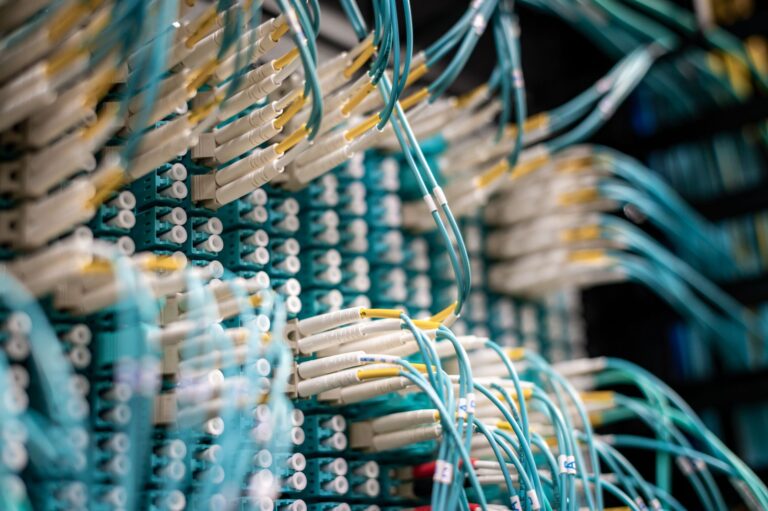
Photo by panumas nikhomkhai (via Pexels)